Cold Water After Sauna: Contrast Bathing Basics

Alternating between sauna heat and cold water is one of the oldest parts of sauna culture. In Finland and Scandinavia, rolling in snow or jumping into a lake between rounds is routine. In the UK, the options range from a cold shower to a sea dip to a plunge tub beside the sauna.
This guide covers what contrast bathing actually involves, what it does to your body, the safety points that matter, and how to build up if you are new to it.
What is contrast bathing
Contrast bathing means moving between heat and cold, usually in repeated cycles. In a sauna context, that typically looks like:
- A round of sauna heat (10–20 minutes)
- A period of cold exposure (30 seconds to 2 minutes)
- A rest period at ambient temperature (5–15 minutes)
- Repeat for two to four rounds
The cold element can be anything from a cold shower to open water. What matters is the shift between extremes, not a specific temperature target.
What happens to your body
In the sauna, blood vessels near the skin dilate. Heart rate rises, skin flushes, and blood flow shifts towards the surface. When you move into cold water, the opposite happens: peripheral blood vessels constrict sharply, heart rate spikes briefly, and blood is redirected to the core.
This rapid vascular shift is what produces the strong physical sensation — the gasp, the alertness, the tingling skin. It is also what makes cold water exposure a genuine physiological stress, not just a bracing feeling.
The best-documented effect is a surge in noradrenaline — a neurotransmitter associated with alertness and mood. A 2000 study (Šrámek et al., European Journal of Applied Physiology) found that immersion in 14°C water increased plasma noradrenaline by 530% and dopamine by 250%. A later study (Leppäluoto et al., 2008) tracked women doing regular winter swimming over 12 weeks and found the noradrenaline response remained at two to three times baseline each session — it did not diminish with repeated exposure.
This is likely why many people report feeling calm and alert after cold water. The acute hormonal response is well established. Whether it translates to lasting health benefits beyond the immediate feeling is a separate question — covered in the research section below.
Cold water options at UK venues
What is available depends on the venue. Common options include:
- Cold shower — the simplest and most widely available option. Most commercial saunas have one. Good for beginners.
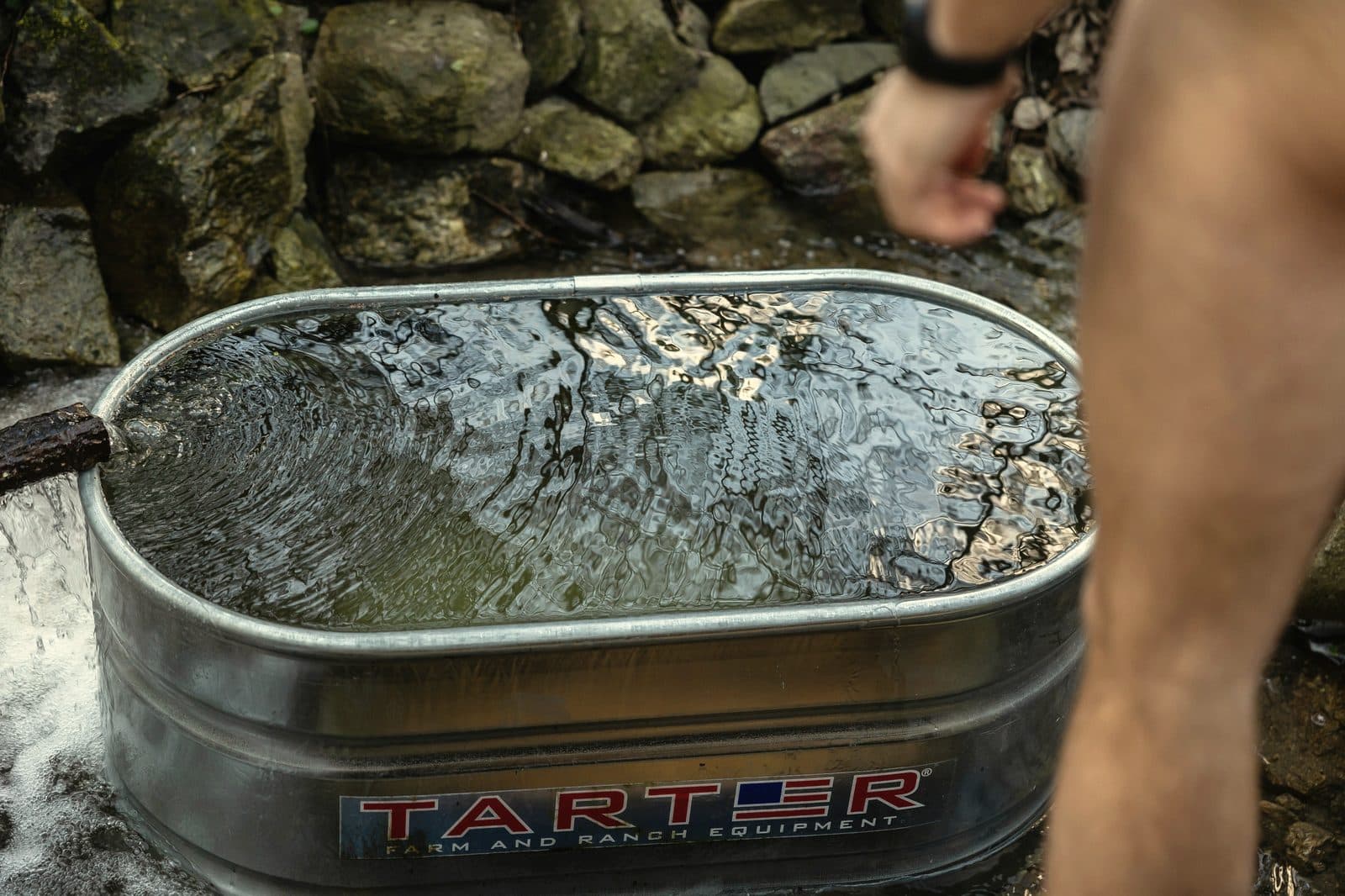
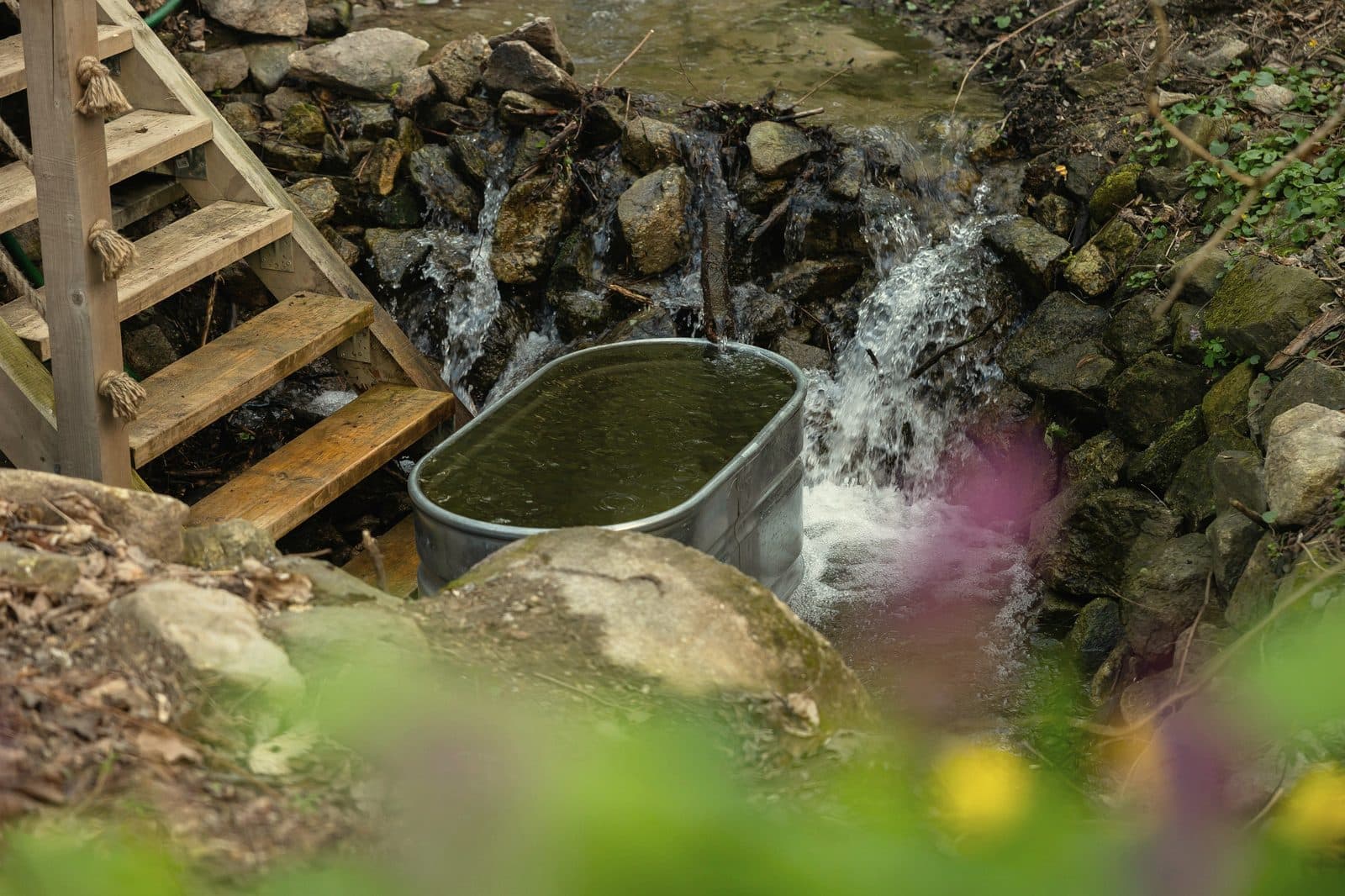
- Plunge tub or stock tank — a standalone cold water tank beside the sauna. Most UK venues set theirs between 5°C and 10°C, though some go as low as 3°C. Increasingly common at outdoor saunas.
- Sea, lake, or river access — some coastal and lakeside operators position the sauna near natural water. UK sea temperatures average around 12°C year-round (RNLI), ranging from 6–9°C in winter to 15–19°C in summer depending on the coast. Inland lakes and rivers can drop below 5°C in winter.
- Outdoor shower — colder than an indoor shower, especially in winter, but more controlled than open water.
If a venue lists “cold plunge” or “sea access”, it means this is part of their setup. You can filter for these in the operator directory.
Safety
Cold water shock is a real risk. The RNLI classifies any water below 15°C as cold water, and UK seas sit below that threshold for roughly eight to nine months of the year. Cold water shock can affect anyone, including young and fit people.
The immediate response includes an involuntary gasp reflex, a surge in breathing rate from around 12 to as many as 60 breaths per minute, and a sharp spike in heart rate and blood pressure. If your head is underwater when the gasp occurs, the risk of drowning is immediate.
There is an additional risk specific to contrast bathing. Research by Professor Mike Tipton (2012) found that combining cold water with face submersion can trigger what he calls “autonomic conflict” — the cold shock response and the diving reflex pulling the heart in opposite directions simultaneously. In laboratory testing, this produced cardiac arrhythmias in the majority of young, healthy participants. This is a key reason to keep your face out of the water.
Rules for cold water after sauna
- Enter gradually. Walk in or lower yourself steadily. Do not jump or dive.
- Keep your face out of the water until your breathing has settled. Submerging the face intensifies the shock response and increases the risk of arrhythmia.
- Never go alone. Always have someone nearby, especially in open water.
- Stay within your depth. If you lose control of your breathing, you need to be able to stand.
- Keep it short. 30 seconds to 2 minutes is enough. Longer is not better, especially for beginners.
- Do not use cold water if you have been drinking alcohol. Alcohol impairs your ability to sense and respond to cold stress.
Who should avoid cold water immersion
People with heart conditions, cardiac arrhythmias, uncontrolled high blood pressure, Raynaud’s disease, cold urticaria, or peripheral neuropathy should not use cold water after sauna without medical advice. If you are pregnant or taking beta-blockers or other heart medication, check with your GP first. If you are unsure, a lukewarm shower is always a safe alternative.
How to build up
You do not need to start with a lake in January. A reasonable progression:
- Lukewarm shower — turn the temperature down gradually over several sessions until you are comfortable with cool water.
- Cold shower — 30 seconds of cold water at the end of your sauna session. Focus on steady breathing.
- Plunge tub — a brief dip in a cold tub, entering slowly and exiting after 30–60 seconds.
- Open water — when you are confident with controlled cold exposure, try a sea dip or lake dip at a venue where this is part of the setup.
The goal is to stay in control of your breathing at each stage before moving to the next. There is no rush.
What the research says
The acute physiological response to cold water is well documented. The noradrenaline surge (Šrámek et al., 2000) and the fact that it persists with regular exposure (Leppäluoto et al., 2008) are robust findings. Beyond that, the evidence becomes more mixed.
Muscle soreness
A meta-analysis of contrast water therapy (Bieuzen et al., 2013, Sports Medicine) pooled data from 13 studies and found that alternating hot and cold water produced modest but statistically significant reductions in muscle soreness compared to passive recovery. Most of the included trials were small (8–20 participants). One important caveat: a 2015 study (Roberts et al., Journal of Physiology) found that regular cold water immersion after resistance training blunted long-term muscle and strength gains — the cold may reduce the inflammatory signalling needed for adaptation.
Immune function
The largest trial is the Dutch cold shower study (Buijze et al., 2016, PLOS ONE, n=3,018). Participants who ended their showers with 30–90 seconds of cold water reported 29% fewer sick days from work. However, the actual number of illness days was no different — people felt well enough to work despite being ill. This suggests improved perceived resilience rather than a measurable immune benefit. Claims that cold water “boosts the immune system” go well beyond what the current evidence supports.
Metabolism and brown fat
A 2021 cross-sectional study by Søberg et al. (Cell Reports Medicine) found that regular Danish winter swimmers had higher brown fat activity and improved metabolic markers compared to controls. This is often cited as evidence that cold exposure “burns fat.” The study is observational and modest in size (n=85) — people who winter swim may differ from the general population in many other ways. The acute metabolic effect of cold exposure is real but likely small in practical terms.
The honest summary
The acute effects — noradrenaline release, alertness, reduced perceived soreness — are well supported. Many people report feeling good after contrast bathing, and the hormonal data backs that up. The broader claims about immunity, fat loss, and long-term health are still ahead of the science. No UK health body currently recommends contrast bathing as a treatment for any condition.
Next steps
If you are looking for a sauna with cold water access, the operator directory lets you filter by water features including cold plunge, sea access, and river or lake swimming.
New to sauna altogether? Our beginner’s guide covers the basics of a first visit, including session structure, etiquette, and safety.
Frequently asked questions
- Do not jump or dive. Enter the water gradually, keep your face out until your breathing settles, never go alone, and stay within your depth. Cold water shock can affect anyone — even fit, experienced swimmers — and is triggered by water below 15°C.
- 30 seconds to 2 minutes is enough. Beginners should start at the shorter end. Longer immersion is not more beneficial and increases the risk of hypothermia.
- Most UK sauna venues set their cold plunge tubs between 5°C and 10°C, with some going as low as 3°C. There is no single ideal temperature — what matters is that it feels cold enough to produce a clear contrast with the sauna heat. Beginners can start with a cold shower, which is typically around 10–15°C.
- People with heart conditions, high blood pressure, Raynaud’s disease, or cold urticaria should not do cold water immersion after sauna without medical advice. A lukewarm shower is a safe alternative.
- No. Sauna bathing on its own has well-documented benefits. Cold water is an optional addition that some people find rewarding, but it is not required. A lukewarm or cool shower between rounds is a perfectly good cool-down method.
Is it safe to jump in cold water after a sauna?
How long should I stay in cold water after a sauna?
What temperature should a cold plunge be?
Can I do contrast bathing if I have a heart condition?
Do I need to do cold water to get the benefits of sauna?
Related guides
Beginner’s Guide to a Wood-Fired Sauna Visit
First wood-fired sauna visit? What to bring, how long to stay, session structure, cooling down, safety and etiquette — a practical UK guide for beginners.
Getting startedHow Often Should You Use a Sauna?
What the research says about sauna frequency, session length, and building a routine — without the overclaiming.
Getting startedWhat to Wear to a Sauna in the UK
Swimwear, towels, footwear, and what to leave at home — a practical guide to sauna dress codes at UK venues.
Browse the directory
The monthly digest
New saunas and new guides, once a month. No spam, unsubscribe any time. Your address is used only for the digest — privacy notice.