How to Choose the Right Sauna Builder
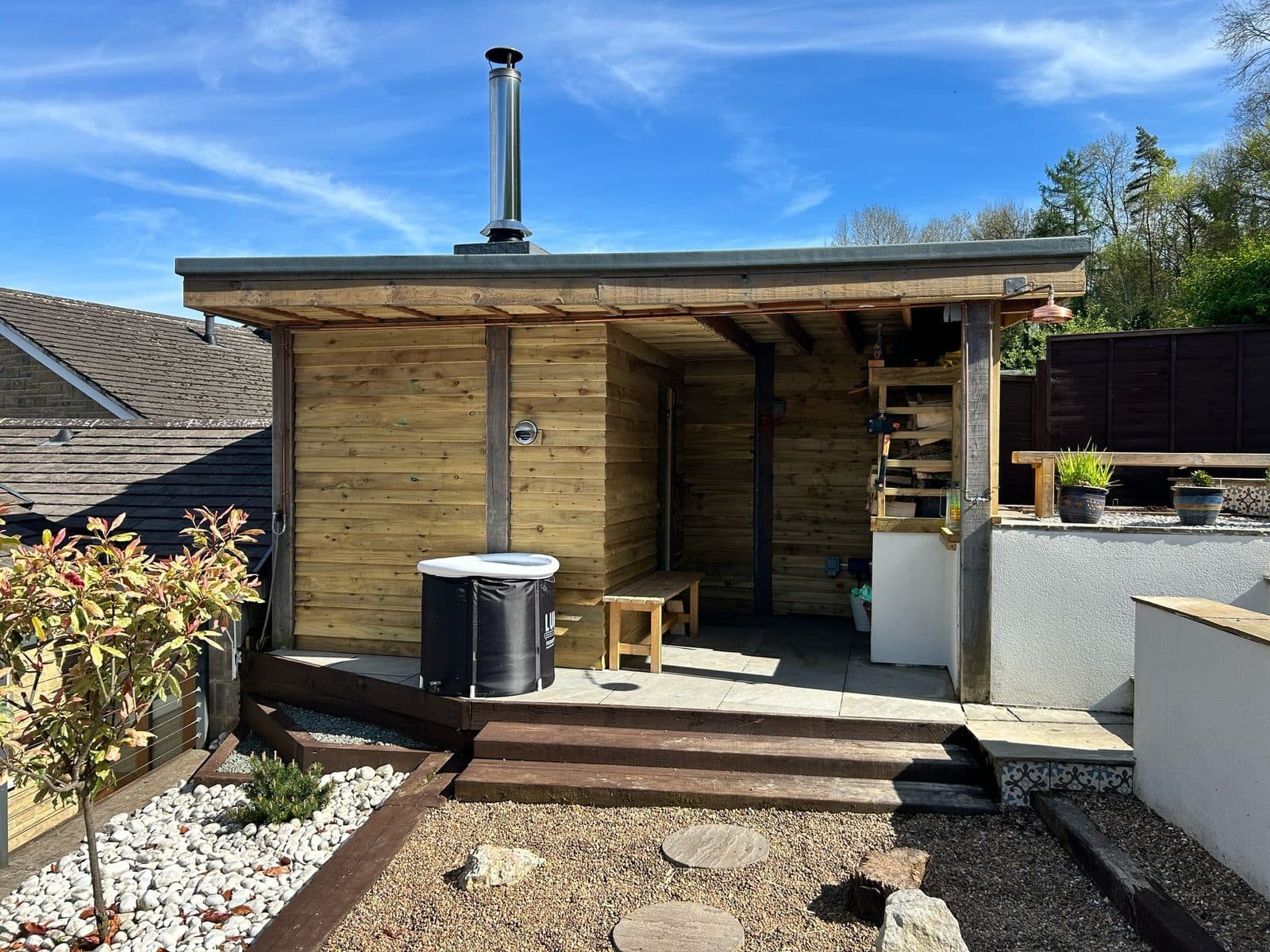
Commissioning a sauna is a significant purchase — typically £5,000 to £25,000 or more depending on size, materials, and site complexity. The builder you choose determines the quality of your daily experience for years to come. This guide covers what to look for, what to ask, and what to avoid.
It is written for someone who has decided to get a sauna built and is now comparing options. If you are still weighing up whether to build at all, our wood-fired vs electric guide is a better starting point.
Types of sauna builder in the UK
The UK sauna building market broadly divides into a few categories. Understanding these helps you compare like with like.
Specialist sauna builders focus exclusively on sauna design and construction. They typically offer end-to-end service: design, materials, stove selection, installation, and sign-off. They are likely to understand ventilation, vapour barriers, and thermal performance in detail. Expect higher prices, but also higher craft and thermal knowledge.
Garden building companies with sauna lines manufacture outdoor buildings — cabins, offices, summerhouses — and have added saunas to their range. Quality varies widely. Some have invested in sauna-specific engineering; others are fitting a heater inside a standard garden room. Ask what makes their sauna builds different from their other products.
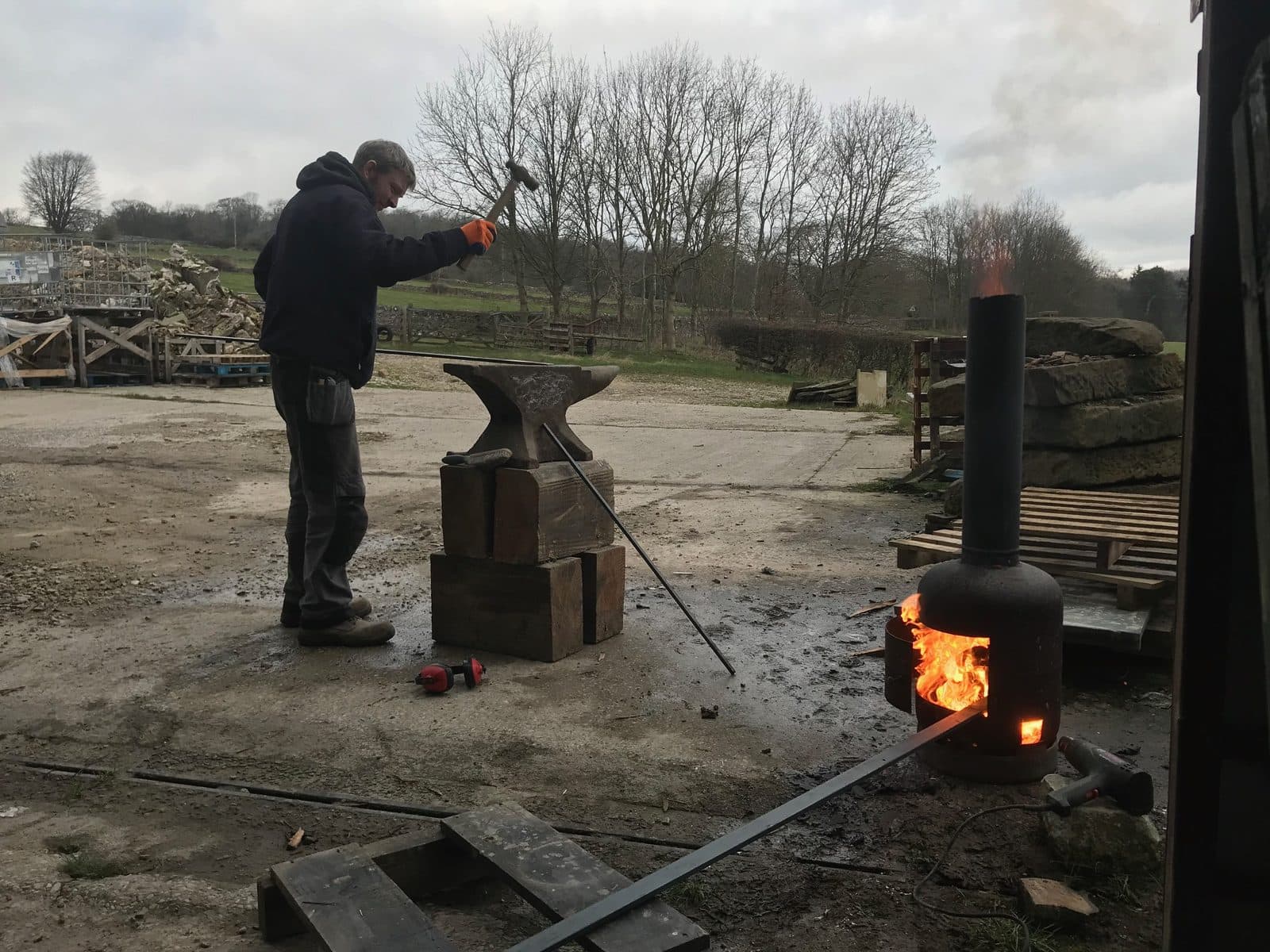
Bespoke joiners and timber framers may build saunas as part of a broader practice. They often excel on craftsmanship and can handle unusual sites or integrated designs. Check whether they have built saunas before and whether they understand the specific thermal and moisture requirements — a sauna is not the same as a timber outbuilding.
Kit and flat-pack suppliers sell pre-cut sauna components for self-assembly or local installation. This is typically the lowest-cost route but requires either DIY confidence or a separate builder for assembly. If you go this route, check what is included — some kits omit the stove, flue, foundation, and electrical work.
The builder directory lists UK sauna builders by region and build type, so you can see who operates near you.
What to look for in a builder
These are the things that separate a good sauna build from a mediocre one. None of them are glamorous, but all of them affect daily use.
Timber selection
The species, grade, and treatment of timber matter. Common choices include thermowood (thermally modified), Western red cedar, spruce, and alder. Each has different properties for heat retention, moisture resistance, and longevity. A good builder will explain their choice and why it suits the application — not just default to the cheapest option.
Ask whether interior timber is untreated (it should be — treated wood off-gases at sauna temperatures). Ask about the exterior finish and how long it is expected to last before re-treatment.
Insulation and vapour barrier
A well-insulated sauna reaches temperature faster, holds heat longer, and uses less fuel or electricity. Look for mineral wool or similar insulation in walls and ceiling, with a foil vapour barrier on the warm side. Without a proper vapour barrier, moisture migrates into the insulation and wall structure, causing rot over time.
This is the area where garden buildings repurposed as saunas most often fall short.
Ventilation
Correct ventilation is essential for air quality, even heat distribution, and a good löyly. A well-designed sauna has a fresh air inlet (typically low, near the heater) and an exhaust vent (typically higher, on the opposite wall). Ask the builder how their ventilation works and whether it is adjustable.
Poor ventilation is one of the most common problems in UK sauna builds. If a builder cannot explain their ventilation strategy clearly, that is worth noting.
Stove and flue
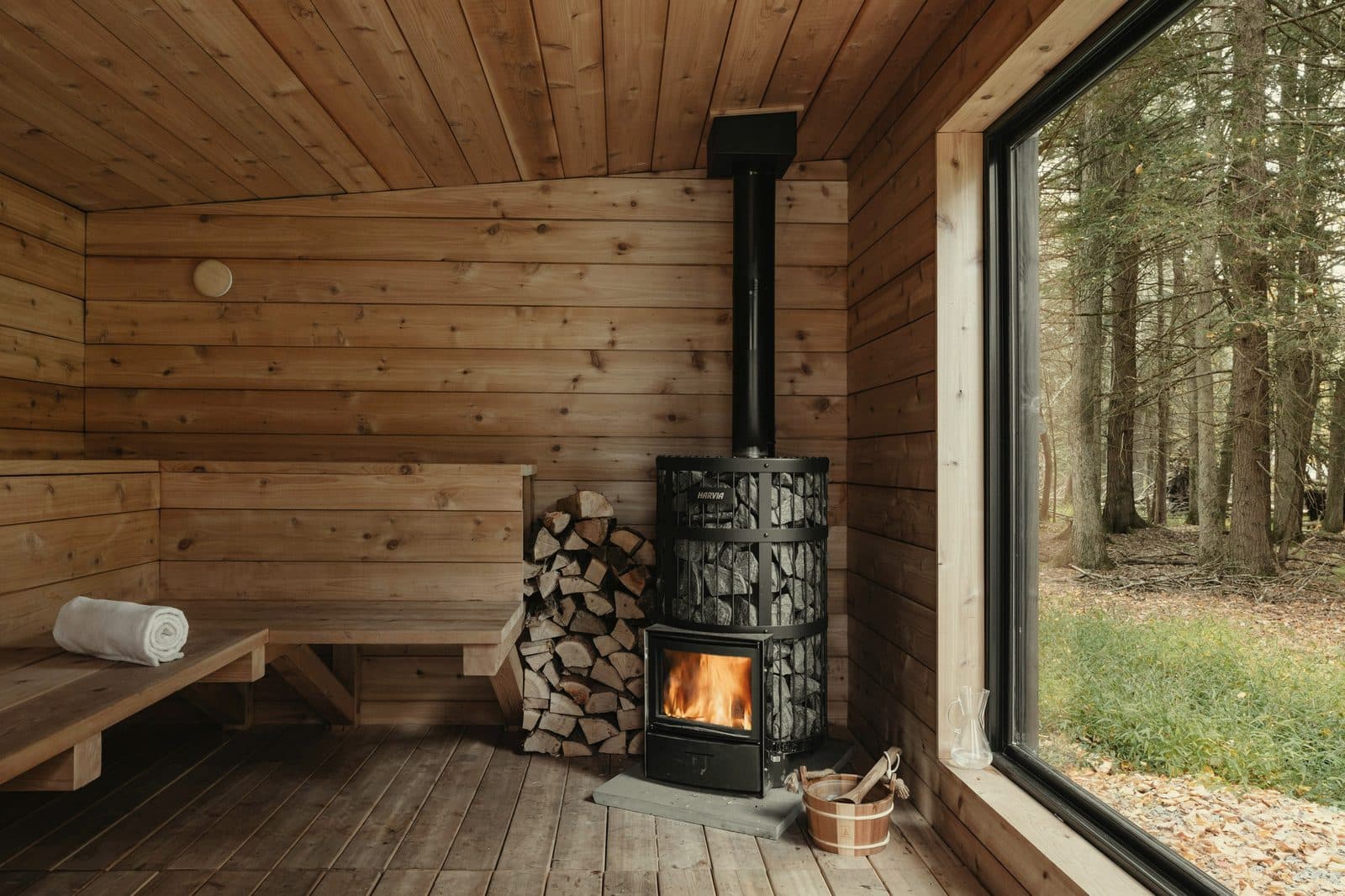
For wood-fired builds, the stove and flue are critical components. Ask which stove brand and model they recommend, and why. Check whether the flue system is twin-wall insulated (it should be for any roof or wall penetration). Ask about clearances to combustibles and whether the installation will comply with Part J of the Building Regulations.
For electric builds, ask about the heater specification relative to the room volume. An undersized heater will struggle; an oversized one wastes energy. The general rule is roughly 1kW per cubic metre, but ceiling height, insulation, and glass area all affect the calculation.
Benching and layout
Bench depth, height, and spacing affect comfort more than almost any other design choice. Benches should be wide enough to lie down on (at least 60cm, ideally 70cm+). Upper benches should be at or near the level of the stove stones — this is where the best heat and löyly are. Headroom above the upper bench matters: too little and you cannot sit comfortably; too much and the heat stratifies away from you.
Drainage and foundations
Any outdoor sauna needs a solid foundation and a plan for water drainage. Ask about the base type (concrete pad, screw piles, railway sleepers, etc.) and how they handle run-off, especially if the sauna includes a shower, cold plunge, or bucket drench.
Questions to ask before you commit
Before signing anything, ask the builder these questions. The way they respond tells you as much as the answers themselves.
- Can I visit a completed build? Any confident builder will have at least one they can show you — or put you in touch with a previous customer. If they cannot, ask why.
- What is included in the price? Clarify whether the quote covers: stove/heater, flue, foundation, electrical work, delivery, assembly, and sign-off. Extras can add thousands.
- What timber do you use and why? Look for a specific, reasoned answer — not just a species name.
- How do you handle insulation and vapour barrier? If the answer is vague, the build will be too.
- What is your lead time? Good builders are often booked months ahead. A very short lead time is not necessarily a good sign.
- What warranty do you offer? Check what is covered and for how long. Structural, stove, and cosmetic warranties may differ.
- Do you handle planning and building regulations? Some builders manage this; others leave it to you. Know which before you start.
- What happens after installation? Ask about aftercare, maintenance guidance, and how they handle issues that emerge in the first year.
A good builder will answer these questions without hesitation. Evasiveness on any of them is a signal.
Comparing quotes
Get at least three quotes. But comparing on price alone is a mistake — you need to compare scope.
Two quotes can look similar in total cost but differ enormously in what is included. One may cover foundations, electrical, stove, flue, delivery, and a two-year warranty. Another may cover the cabin only — everything else is extra.
When reviewing quotes, list out:
- What is included (structure, insulation, vapour barrier, cladding, roofing)
- What is excluded (foundations, electrics, plumbing, stove, flue, delivery, craneage)
- Timber species and grade
- Stove/heater brand and model
- Insulation type and thickness
- Lead time and payment schedule
- Warranty terms
If a quote does not specify these details, ask. Any builder should be able to provide a line-by-line breakdown.
Be cautious of quotes significantly below the market range. Sauna building involves specific materials and knowledge — if a price seems too good to be true, something is likely being cut.
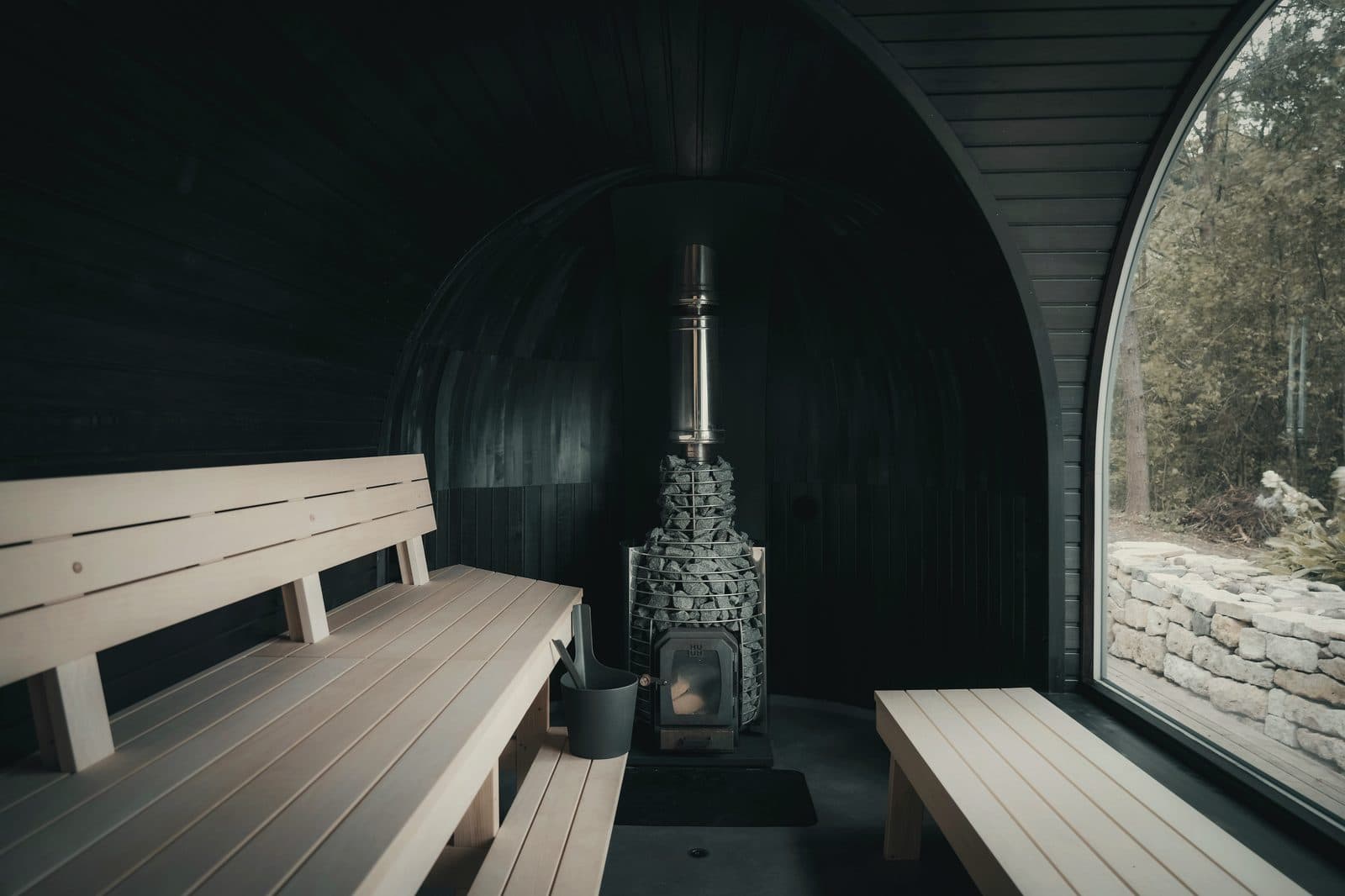
Red flags
These are patterns that suggest a builder may not deliver a good result. None of them are disqualifying on their own, but several together should give you pause.
- No previous sauna builds to show. A portfolio or reference from a past customer is reasonable to expect.
- Vague answers about insulation and ventilation. These are the two most important technical aspects of a sauna build. If a builder is not specific about them, they may not understand them.
- No mention of vapour barrier. This is not optional. Without it, the build will have moisture problems within a few years.
- Pressure to commit quickly. Legitimate scarcity exists — good builders are busy — but high-pressure tactics are a concern.
- No written specification. Everything should be documented before work starts: materials, dimensions, stove, electrical requirements, foundation type, delivery method, and timeline.
- Unusually low price with no clear explanation. They may be using inferior materials, skipping insulation, or not accounting for site preparation.
- No discussion of regulations. A builder who does not mention Part J (wood-fired), Part P (electrical), or local planning considerations may not be accounting for them.
Budget and timeline expectations
UK sauna build costs vary widely depending on size, materials, stove type, and site complexity. These are rough ranges to help with planning — not promises.
Typical price ranges (2025–2026)
- Flat-pack / kit sauna (self-assembly): £3,000–£8,000, excluding foundation, electrics, and stove
- Standard outdoor cabin sauna (turnkey): £8,000–£18,000 depending on size and specification
- Bespoke / high-specification build: £15,000–£30,000+, depending on materials, site access, and design complexity
- Barrel sauna (delivered assembled): £4,000–£12,000 depending on size and timber choice
These ranges include typical stove and installation costs but may not include foundations, electrical supply, or site clearance. Always ask for a full breakdown.
Lead times
Most UK sauna builders have lead times of 4–12 weeks for standard builds, longer for bespoke projects. Lead times tend to extend in spring and summer as demand peaks. If you want a sauna ready for autumn and winter use, ordering in early spring is sensible.
Payment
A staged payment schedule is standard — typically a deposit on order (10–30%), a progress payment, and a final payment on completion. Be cautious of builders asking for full payment upfront.
After installation
A good builder will leave you with clear guidance on first use, ongoing maintenance, and who to contact if something needs attention. If they do not, ask for it.
First use
New saunas — especially wood-fired ones — typically need a few gentle break-in sessions at lower temperatures before running at full heat. This allows timber, sealants, and stove components to settle. Your builder should specify the break-in procedure.
Maintenance basics
- Timber: Interior timber generally does not need treatment. Exterior cladding will need periodic re-oiling or re-staining — frequency depends on the timber and finish used.
- Stove and flue: Wood-fired flues should be swept at least annually. Check the stove door seal, glass, and baffle plate regularly.
- Stones: Sauna stones should be checked and partially replaced roughly once a year. They crack and settle with repeated thermal cycling.
- Ventilation: Keep inlet and exhaust vents clear. Clean any filters if fitted.
- Drainage: Check drainage runs seasonally, especially after autumn leaf fall.
Warranty issues
Document any issues promptly and contact the builder in writing. Take photos. Most structural warranties cover defects for two to five years; stove warranties vary by manufacturer. Keep all paperwork — specifications, invoices, warranty documents, and correspondence.
Next steps
Ready to start comparing? The builder directory lists UK sauna builders by region and build type. Each listing includes what they build, where they operate, and how to get in touch.
If you are still deciding between wood-fired and electric, read our wood-fired vs electric comparison before contacting builders — it will help you brief them more clearly.
Frequently asked questions
- UK sauna build costs range from around £3,000 for a self-assembly kit (excluding foundation and electrics) to £30,000 or more for a bespoke high-specification build. A standard turnkey outdoor cabin sauna typically costs £8,000–£18,000. Always get a full breakdown that includes stove, foundation, electrical work, and delivery.
- Look for experience building saunas specifically (not just garden buildings), clear specifications on timber, insulation and vapour barrier, a well-reasoned ventilation design, and willingness to show you completed builds or connect you with past customers. A written specification covering all materials and costs is essential.
- Most UK sauna builders have lead times of 4–12 weeks for standard builds, longer for bespoke projects. Demand typically peaks in spring and summer, so ordering early in the year gives you the best chance of having your sauna ready for autumn and winter use.
- It depends on size, location, and type. Many outdoor saunas fall under permitted development if they meet size and height limits and are positioned correctly. However, wood-fired saunas must comply with Part J of the Building Regulations (heat-producing appliances), and electrical installations require Part P compliance. Listed buildings, conservation areas, and boundary restrictions may also apply. Check with your local planning authority before starting work.
- Kit saunas are the lowest-cost route but require DIY confidence or a separate builder for assembly, plus separate arrangements for foundations and electrical work. A turnkey builder handles everything from design to sign-off. If you are not confident with construction, a full-service builder typically delivers a better-insulated, better-ventilated result — and you have one point of contact if anything goes wrong.
How much does it cost to have a sauna built in the UK?
What should I look for in a sauna builder?
How long does it take to have a sauna built?
Do I need planning permission for a sauna in the UK?
Should I buy a sauna kit or hire a builder?
Related guides
Wood-Fired vs Electric Sauna: What’s the Difference?
Practical comparison of wood-fired and electric saunas covering heat, running costs, installation, UK regulations, and which suits different settings.
Getting startedBeginner’s Guide to a Wood-Fired Sauna Visit
First wood-fired sauna visit? What to bring, how long to stay, session structure, cooling down, safety and etiquette — a practical UK guide for beginners.
Browse the directory
The monthly digest
New saunas and new guides, once a month. No spam, unsubscribe any time.